Initiative · 01
Investing in Climate-Resilient Development
SHE promotes joint investments and partnerships with International and National Foundations and local partners to support Community based initiatives of Indigenous People to build Climate Resilience.
Background
Climate change and the increased frequency and intensity of droughts and floods, are leading to the desertification of Arid and semi Arid Lands (ASALs) in the Rift Valley and around the salt lake in Somphole, Kenya. This is severely compounding the existing poverty of the local Maasai Communities, who heavily depend on natural resources and ecosystems for their livelihoods.
Previously nomadic, many Maasai communities who lived between Kenya and Tanzania, have lost their livestock due to the impacts of climate change and extreme events in their ecosystems and natural resources, thus losing their livelihoods.
Around 5000 Maasai people have been forced to settle in the remote arid lands near the salt lake near Magadi. The closest town with an electricity grid, water pipelines, schools, and medical facilities is Magadi, located more than 20 miles (~40 km away) – a day's walk for most Maasai, or an hour's motorcycle drive through desert shrubland and a dirt road.
Climate Resilient School and Health-Hub
The SHE Foundation and partners completed the first Phase of the Maasai Climate Resilient School in 2024. In agreement with the Chairman of the Ranch and the community, SHE has invested in a Public School, and we trust in the commitment of the local education authorities to ensure its sustainability.
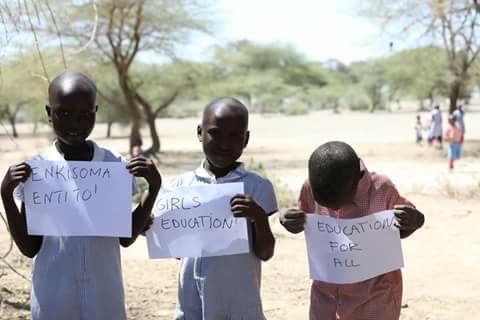
SHE members have been collaborating with the Maasai community in Lenkobei for 10 years to foster health, food security, nutrition, gender equality, and women and girls' education. Girls who go to school can escape early marriage (as early as 12 years old), early pregnancies, and forced labor and household work, including fetching and carrying large loads of water and wood from long distances.
The School is part of a long-term project which has the aim to build a multi-use community center to serve as a School, as a cultural heritage space to share and protect the Maasai traditions, and as a Hub for mobile Health.
School Design
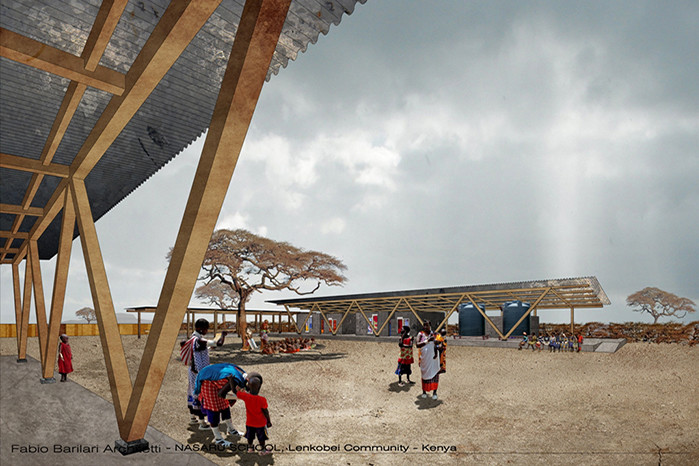
The Climate Resilient School was designed to be highly resilient to the increasing heat and the lack of access to water, and at the same time to respect the Maasai cultural heritage and to be in perfect harmony with the surrounding ecosystem, thus supporting the communities efforts to promote a high-end, low pressure eco-tourism. Architects from Africa, Italy and the United States designed a climate-resilient school with natural ventilation, a water capture system, solar power, ecological water and sanitation and protection of natural ecosystems.
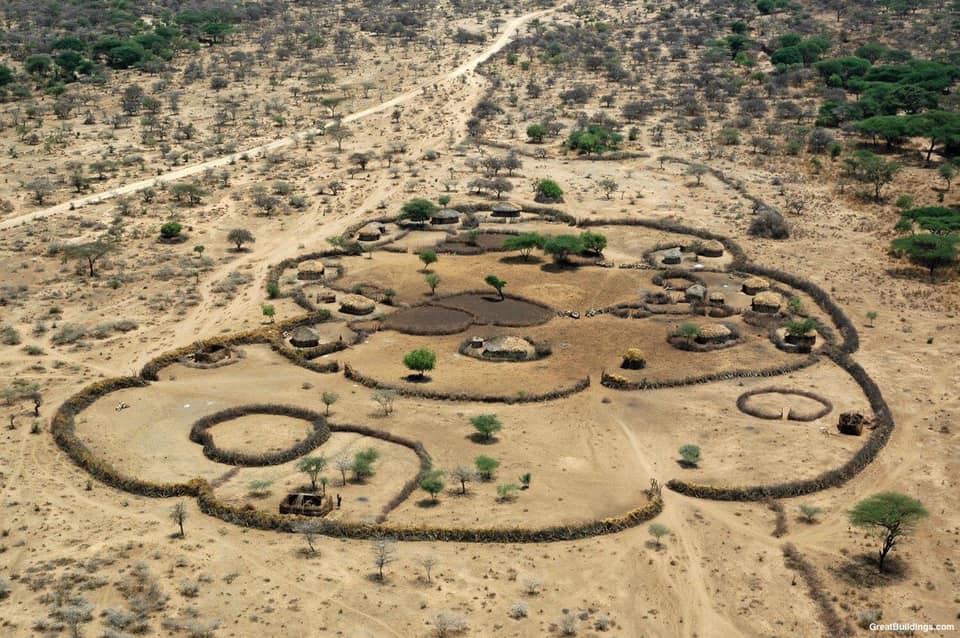
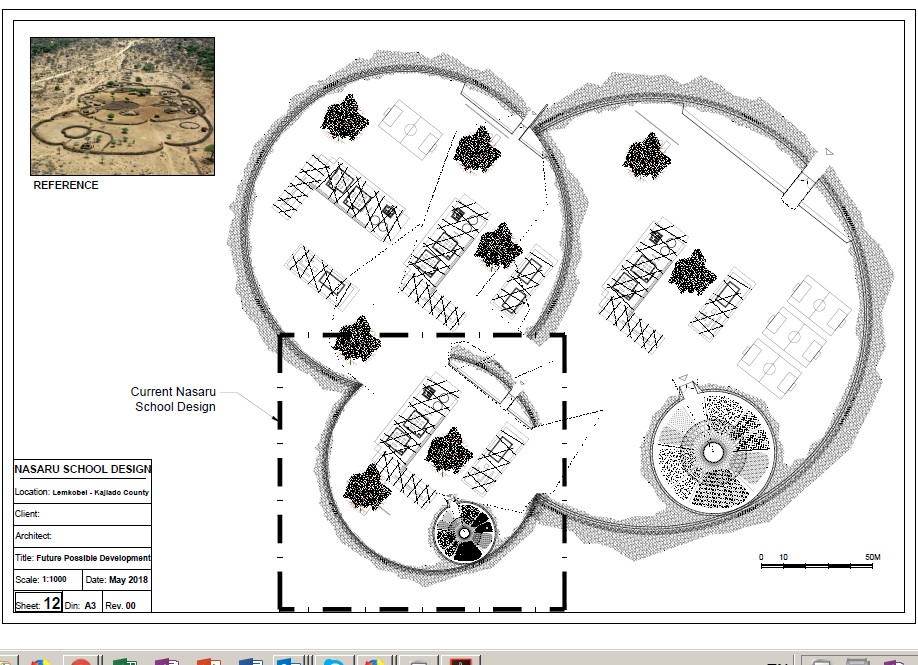
The spatial design of the Climate Resilient Community School has been inspired in part by the Maasai traditional BOMAs (family compounds consisting of several huts built by women with wood and mud for them and their children) and which grow in circular shapes. Cattle from all the households are housed together in the shared central corral. Individual homesteads maintain separate enclosures for their own small livestock. A fence of natural material is constructed around their entire boma compound. The school includes a circular fence around the school and health hub which provides protection from wildlife.
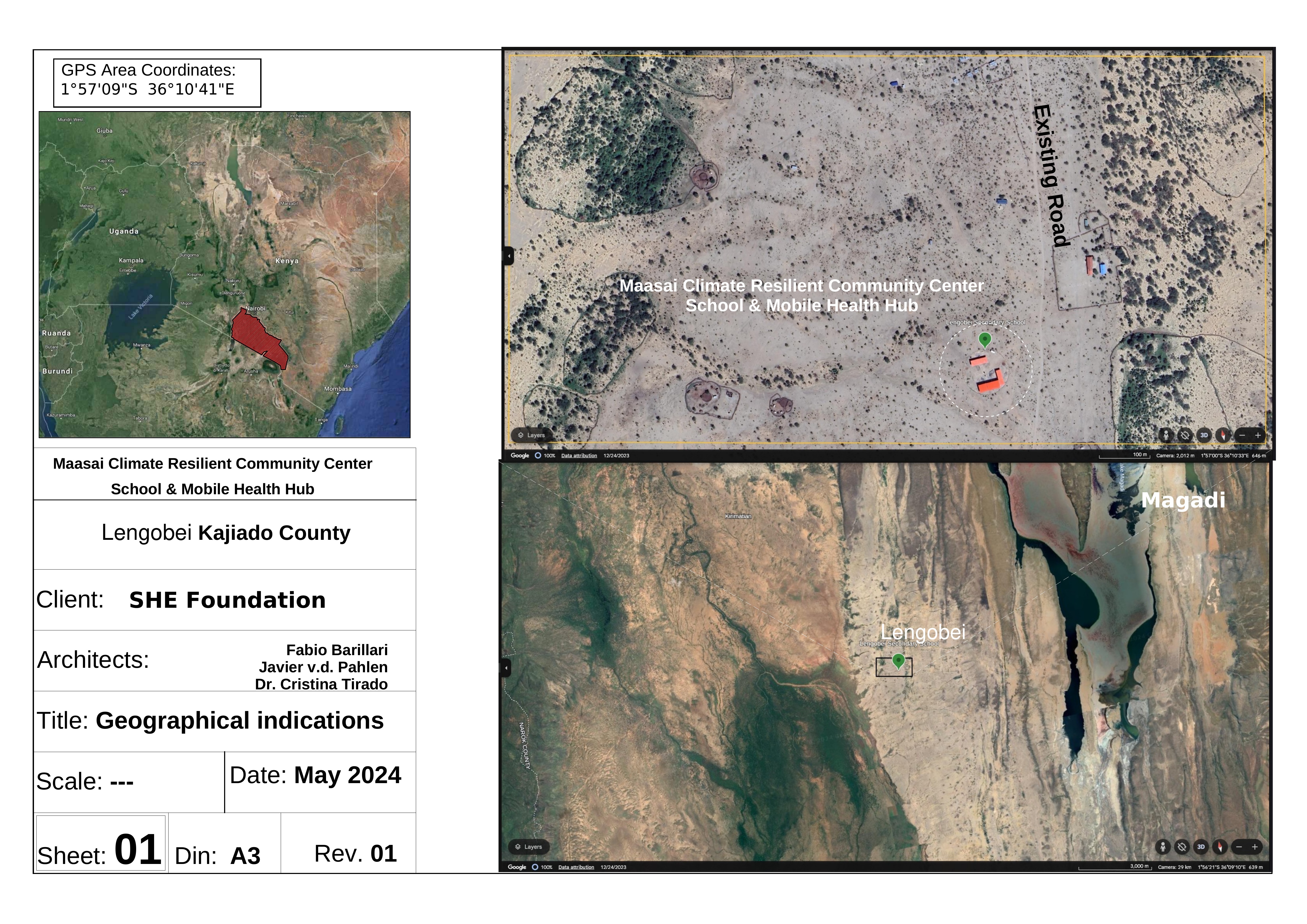
1 / 12 — Geographical indications
School and Health-Hub architectural designs
School co-designed with Maasai community of Lenkobei, by Fabio Barilari, Javier von der Pahlen and Cristina Tirado. See the full design slider at fabiobarilari.com/nasaru-school-design.
Phase 1 School Design and Construction
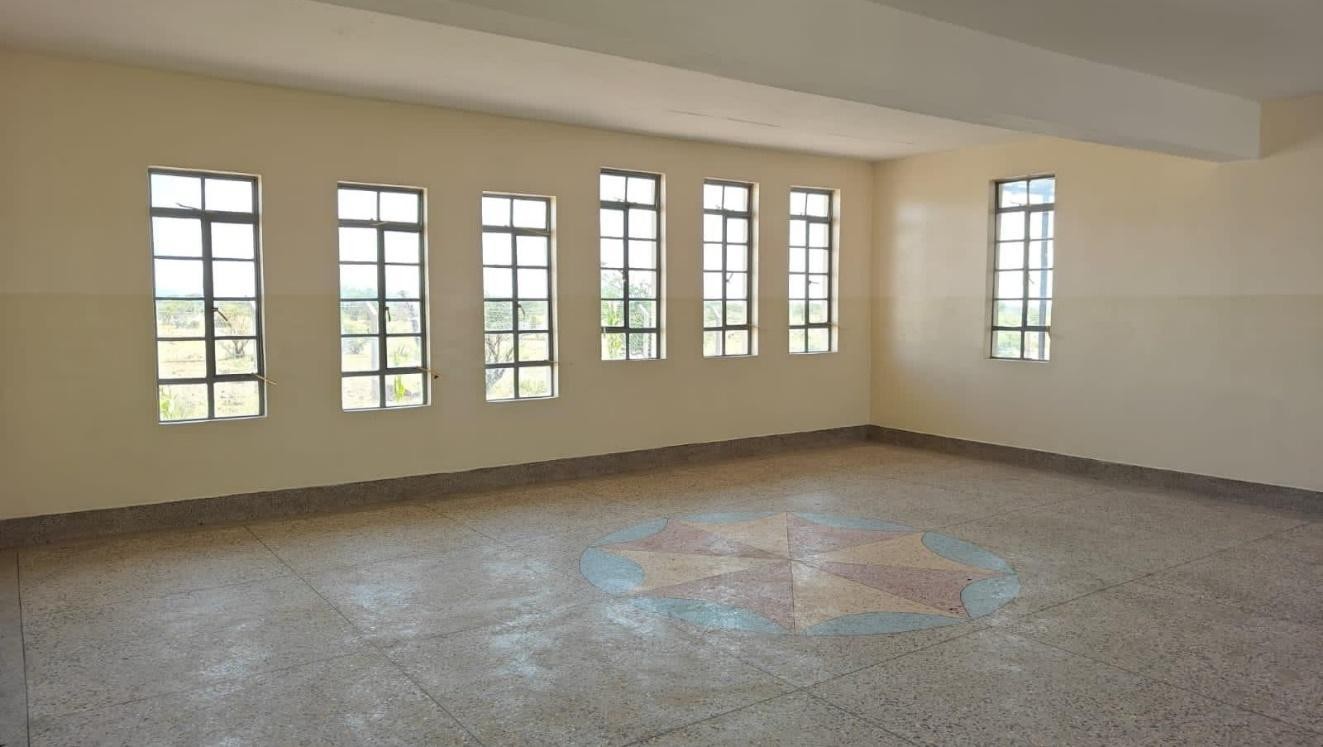
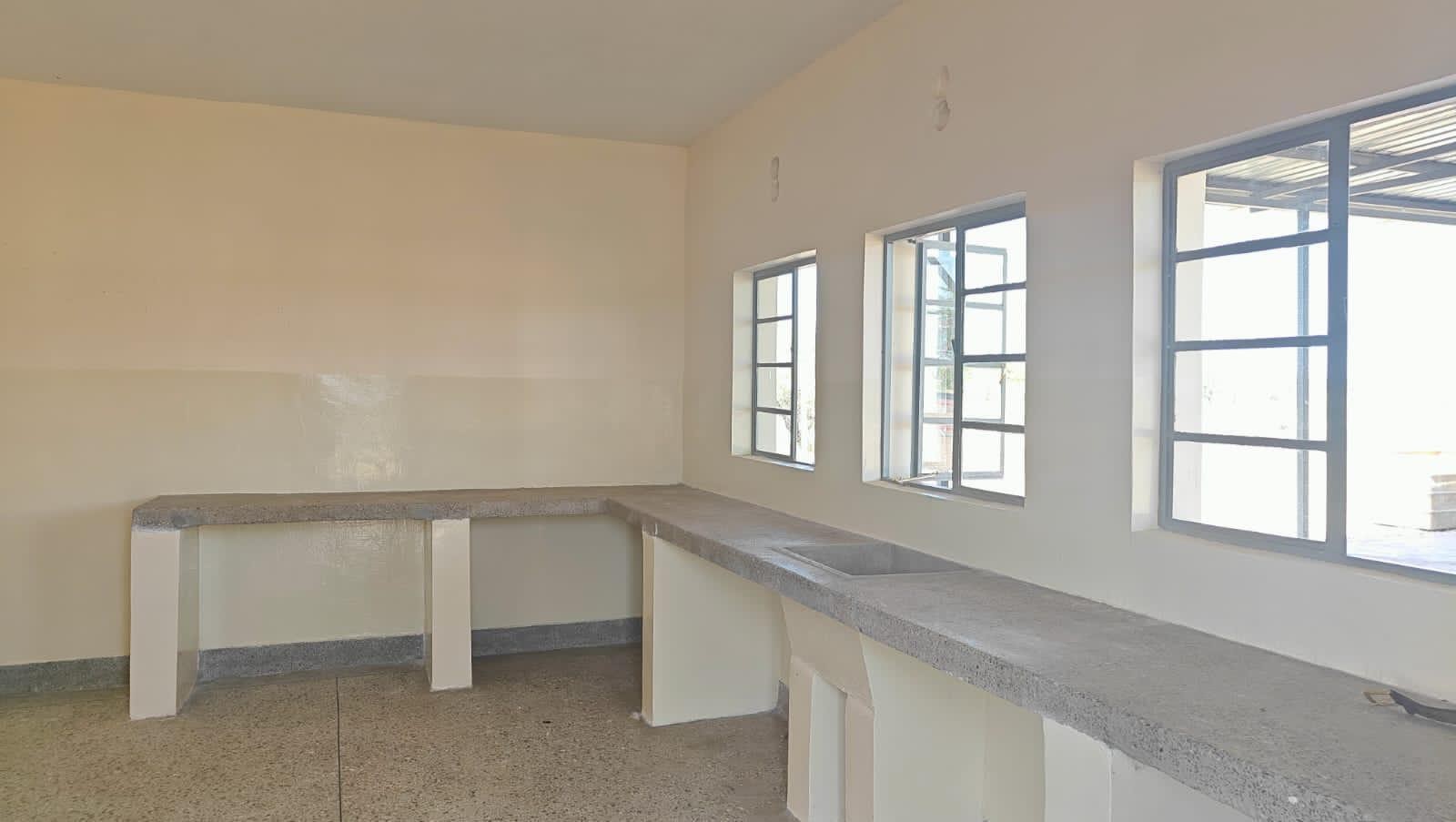
The new school provides beautiful and safe indoor and outdoor classroom spaces that are naturally ventilated and cooled. The double roofs provide shade, collect rainwater, stored in tanks for drinking and use in eco-logical toilets, and allow the installation of an upcoming solar energy system.
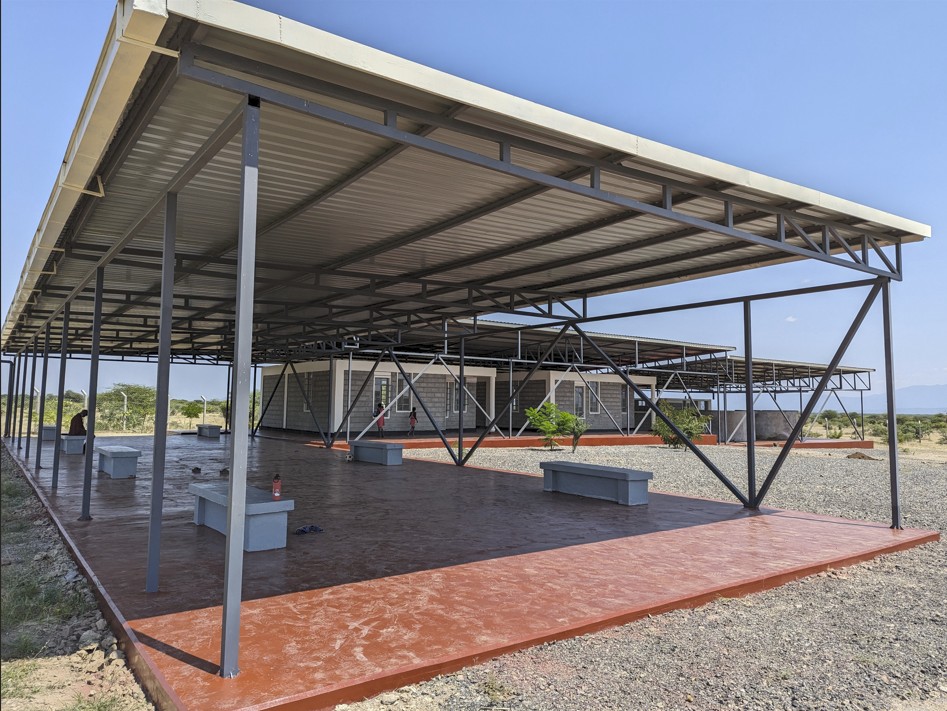
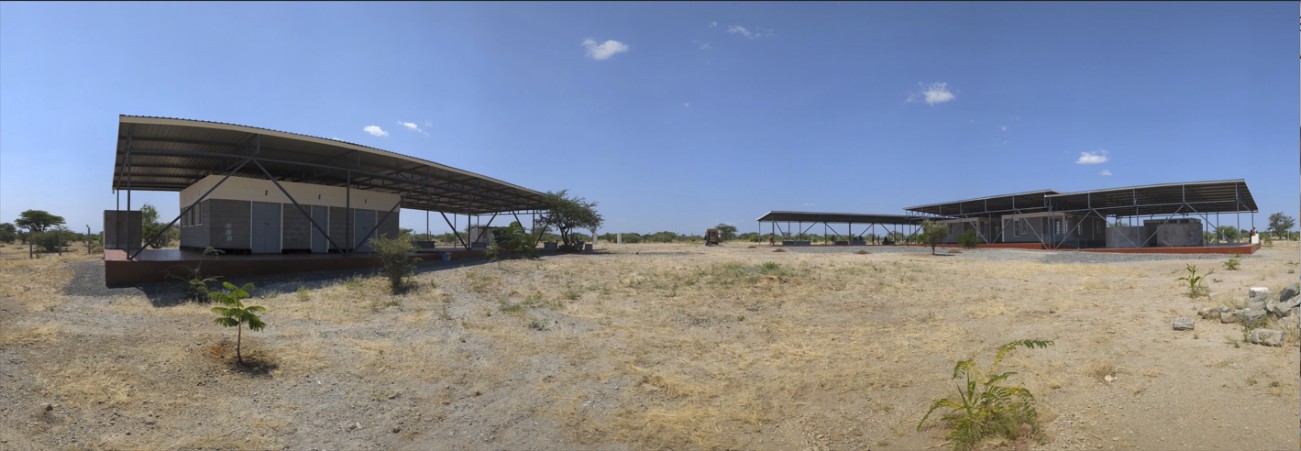
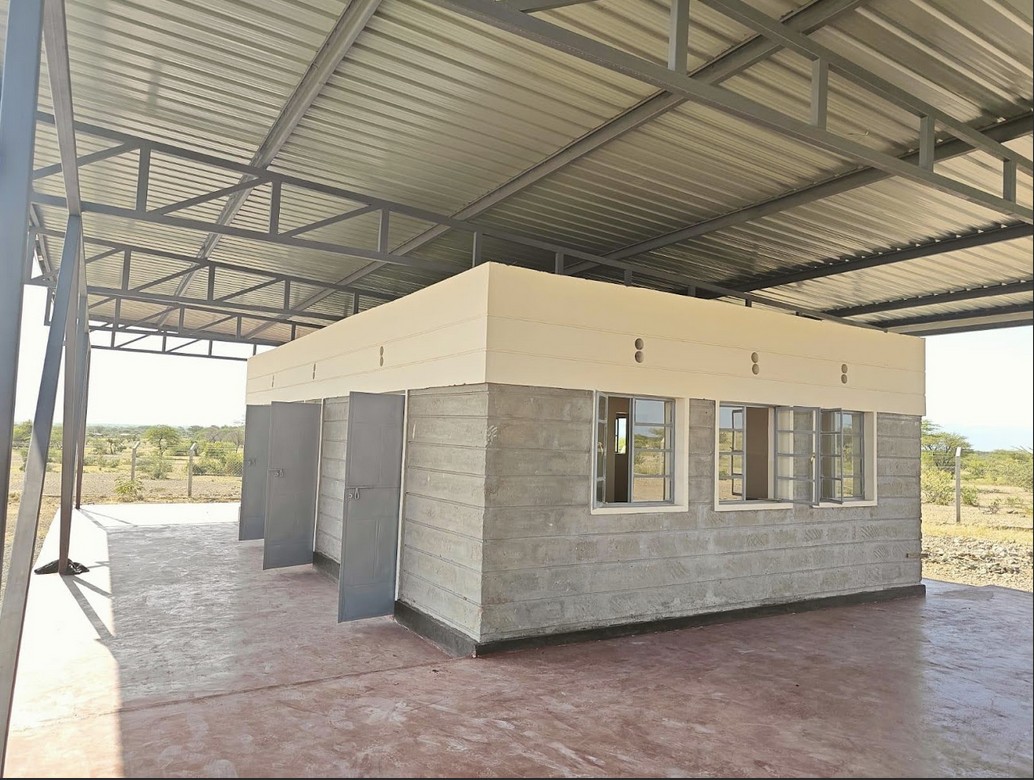
Classrooms, Kitchen and Health Hub
School Opening and Celebration
In 2024, SHE members visited the Maasai Community to celebrate the opening of the school and discuss the next phase with partners.
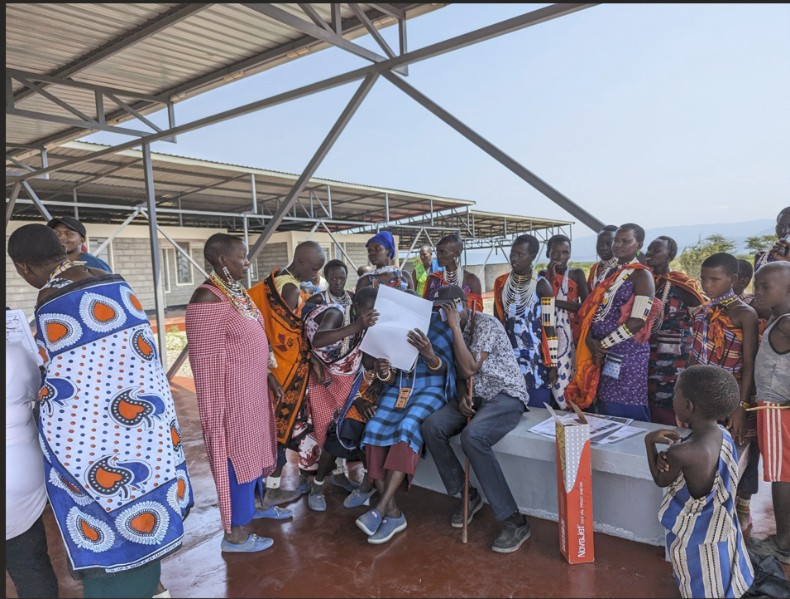
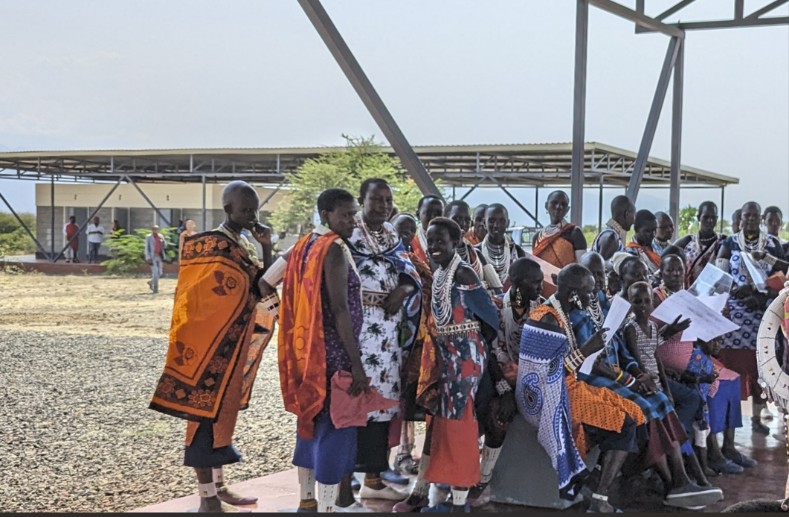
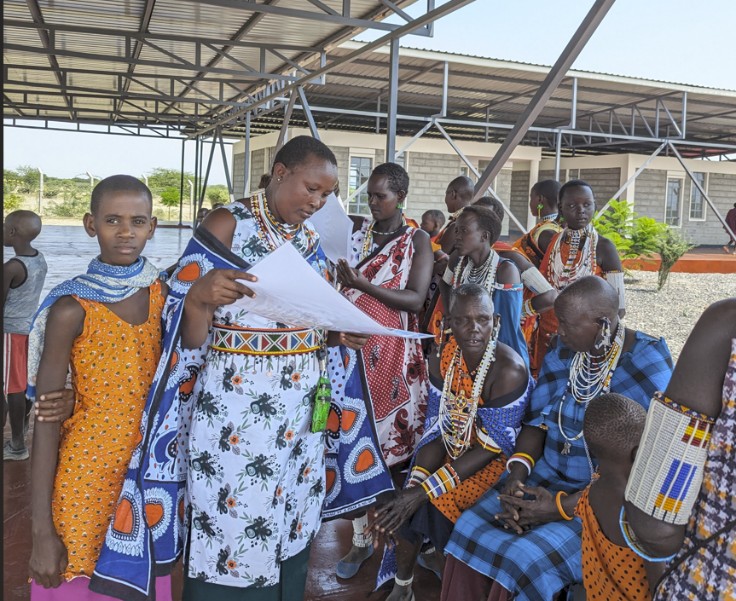
Maasai Community Celebrates the School Opening
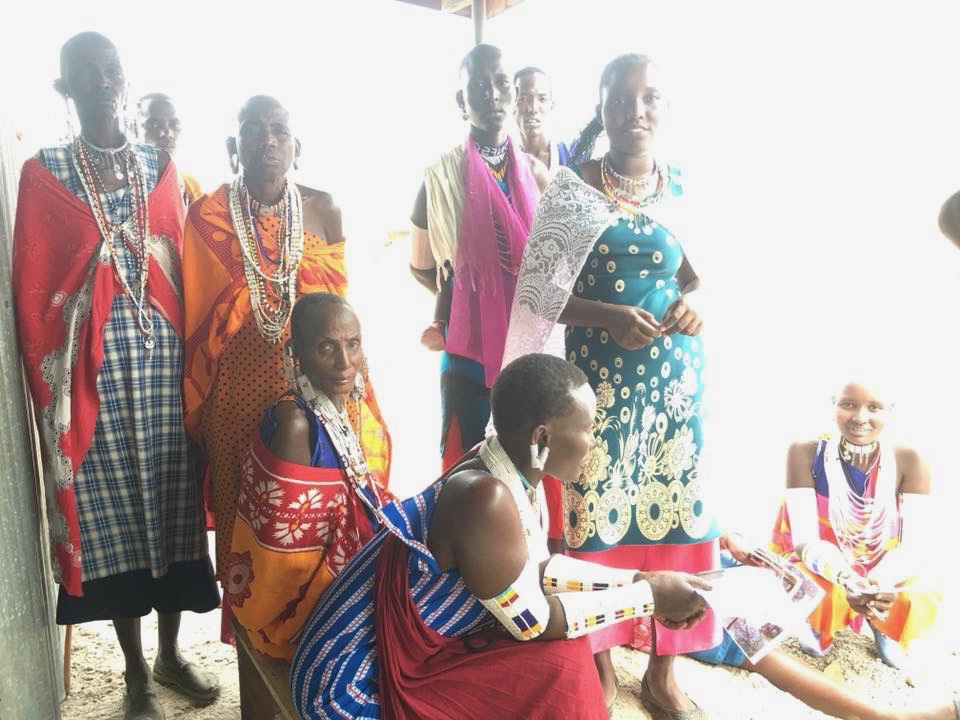
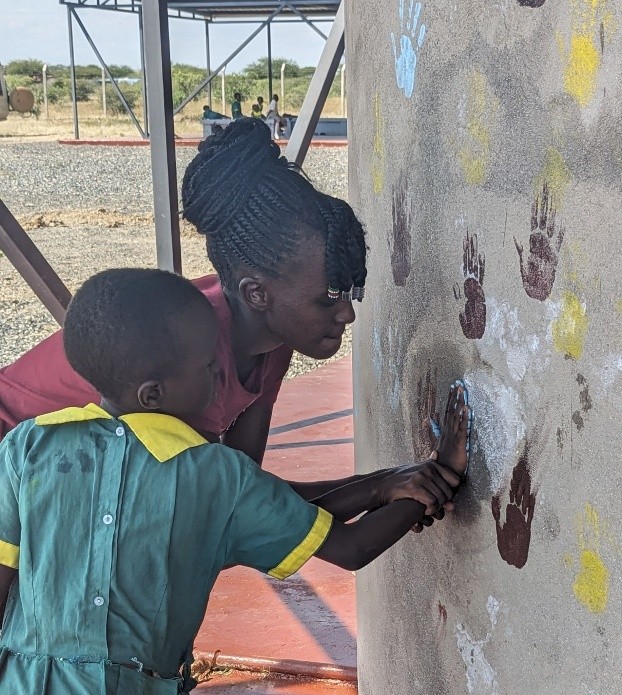
Maasai Community celebrates the opening of the school and studies the architectural designs and renditions. Middle school students from a nearby school celebrate the school's opening by placing their handprints on the water tanks.
Climate Resilient School — Next Steps
The School is part of a long-term project which has the aim to build a multi-use community center to serve as a School, as a cultural heritage space to share and protect the Maasai traditions, and as a Hub for mobile Health.
Future plans with the community include supporting the establishment of:
- A school vegetable garden and culturally appropriate and nutritious school lunches.
- The 1st Inter-cultural Maasai Library in Kenya.
- A cultural heritage center in the school, where the Maasai knowledge is shared from the Elders to students, and where women can make and sell their traditional crafts.
- Off the grid system of solar powered clean energy.